arrow_back Back to People People Team

Rokt Central

The Context / Challenge

Setting the scene

As the People team started building AI-powered tools with Claude Cowork, they quickly ended up with dozens of separate products and workflows. The next problem became: how do you take 50 different tools to employees and leaders in a way that feels useful rather than overwhelming? Employees were being asked to navigate multiple systems for different processes (approvals, performance reviews, promotion requests, resource planning), and each tool lived in a different place.

Our Approach

How we thought about it

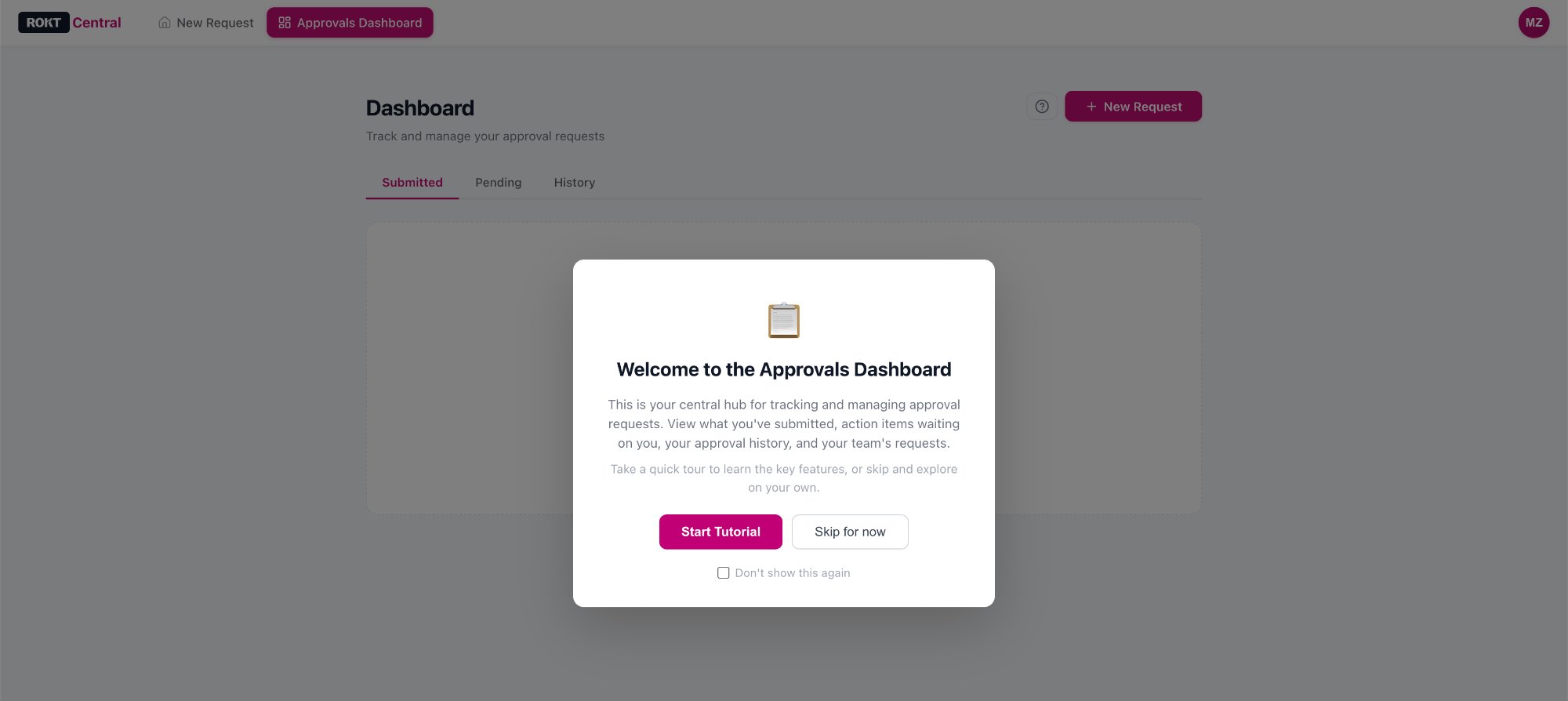
The People team worked collaboratively with G&A Enablement to build Rokt Central: a single platform where leaders and employees go for everything people-related. Rather than launching each tool separately, the team consolidated them under one roof. Rokt Central became the home for approvals, performance tools, promotion requests, resource planning, and more. The platform was built iteratively using Claude Cowork, with new features and tools added as they were ready.

Prompt Repository

How to replicate this

"We have built multiple people-related tools and processes, and we need a centralized platform where leaders and employees can access all of them in one place. Build a portal called Rokt Central that includes: - An approvals hub for all people-related requests - Performance management tools - Promotion request workflows - Resource planning views - A clean navigation so users can find what they need without training This should feel like a product, not an internal tool. It needs to be intuitive enough that we can launch it to the whole company."
Results

What we achieved

Rokt Central became the single destination for everything people-related at Rokt. Instead of launching 50 separate tools, the team delivered one platform that employees and leaders already know to go to. The platform continues to grow as new tools are added. It solved the distribution problem that many internal teams face: building great tools is one thing, getting people to actually use them is another. By consolidating under one brand and one URL, adoption was immediate.